Scrolling through the modern feed can often feel like stumbling into a self-help convention. One writer makes The Case for Ambition; another preaches The Radical Art of Doing Nothing. I am informed that eight hours of sleep is non-negotiable, then told, with equal conviction, that I can conquer the world on four. I stand simultaneously accused of making everything about sex and somehow not being sexually deviant enough.
The appeal of such advice is clear. We seek recurring patterns across successful, happy, and even tragic lives to help guide our own. But the question has never been whether accumulated human wisdom has value. It’s whether someone else’s conclusions, however hard-earned and sincerely offered, are transferable to you.
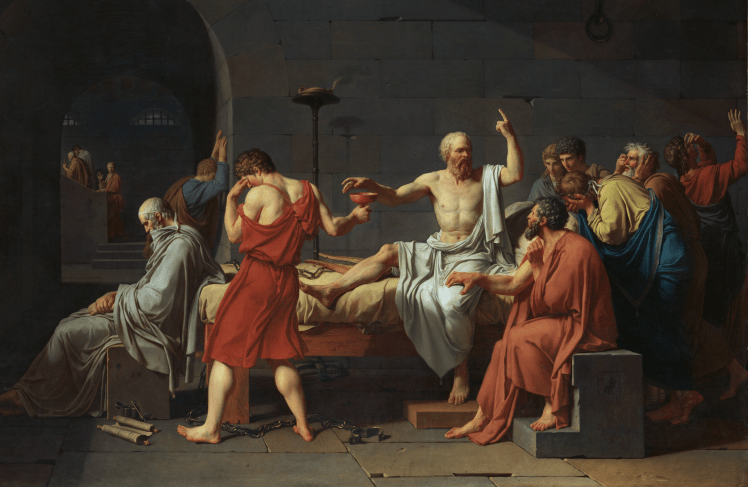
Emulating the stoicism of Marcus Aurelius is considerably easier when you are the absolute ruler of the Roman Empire and not worried about a 15% rent hike and a $10,000 medical bill.
This isn’t to say hard work and persistence do not pay off, but hustling requires direction and therefore a navigator. Hand the steering wheel to someone else, and it is entirely possible you will hustle your way into a life you find repulsive.
Tolstoy’s Ivan Ilyich followed every social and professional convention of his time, only to realize on his deathbed that his life had never truly been his own. Michel de Montaigne popularized the personal essay on the basis that his own experience was the only subject he could treat with any real honesty.
I’ve always been partial to the idea that the best advice is not to take too much of it. Survivorship bias is bad, forging your own path is good, so on and so forth. It may seem dramatic to suggest that a handful of productivity, life, and career hacks could lead to an erasure of the self, but that is the logical endpoint of continually outsourcing your autonomy.
At its best, the internet offers us a meaningful invitation into the lives of others. At its worst, it provides a seductive excuse to forgo living our own.
 Kartika Upadhyaya